
Phoenix
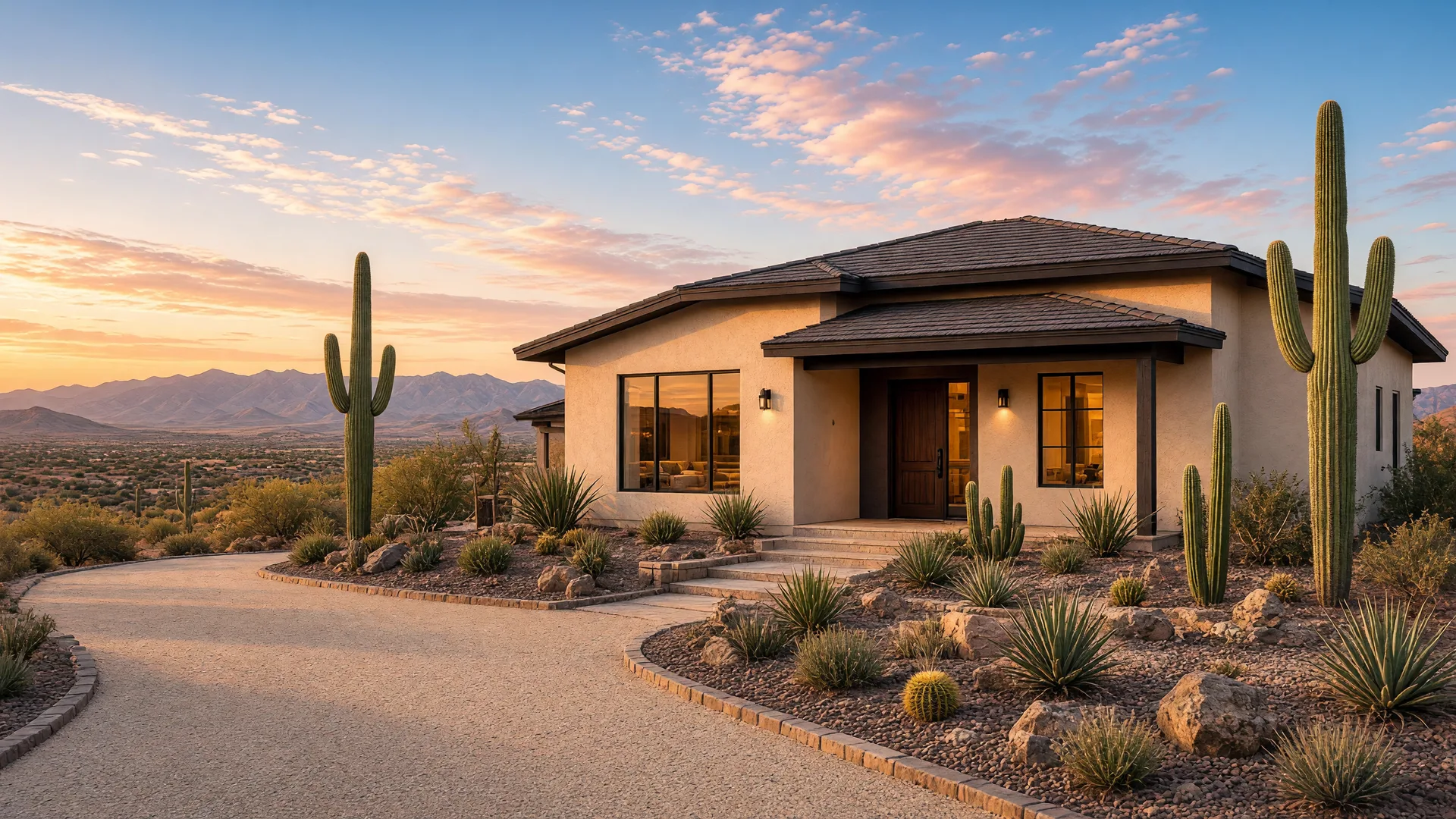
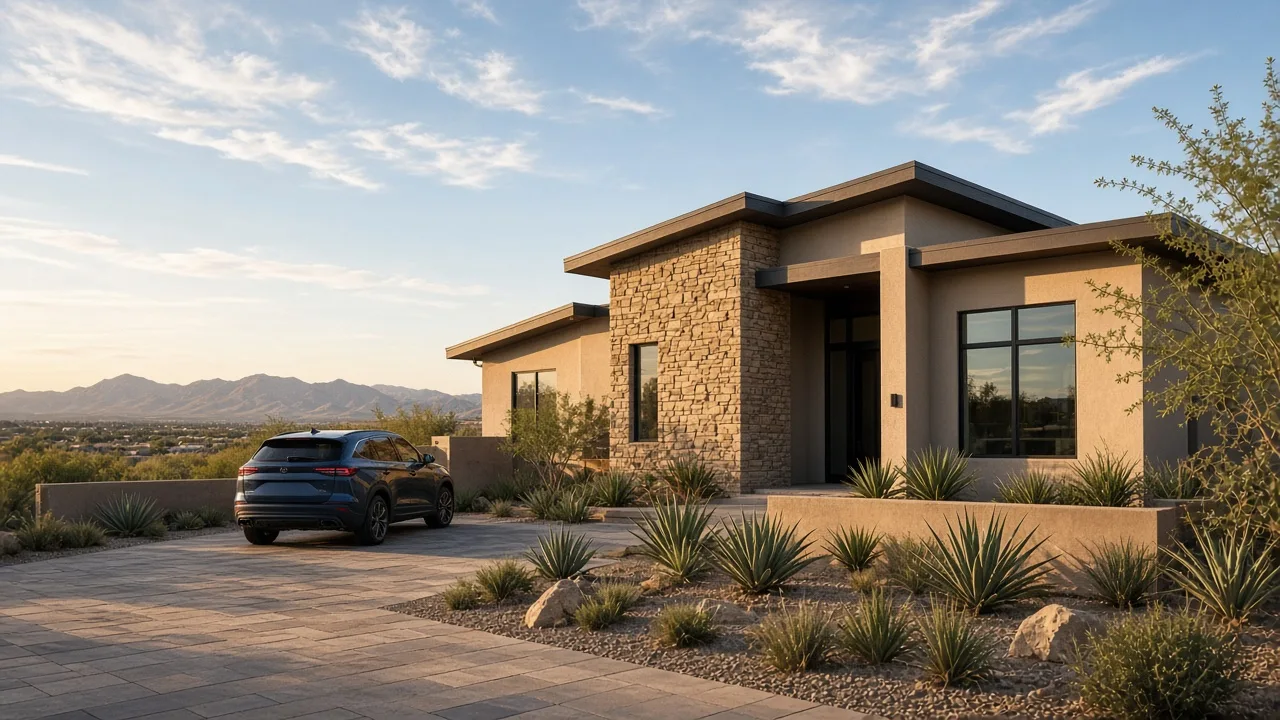
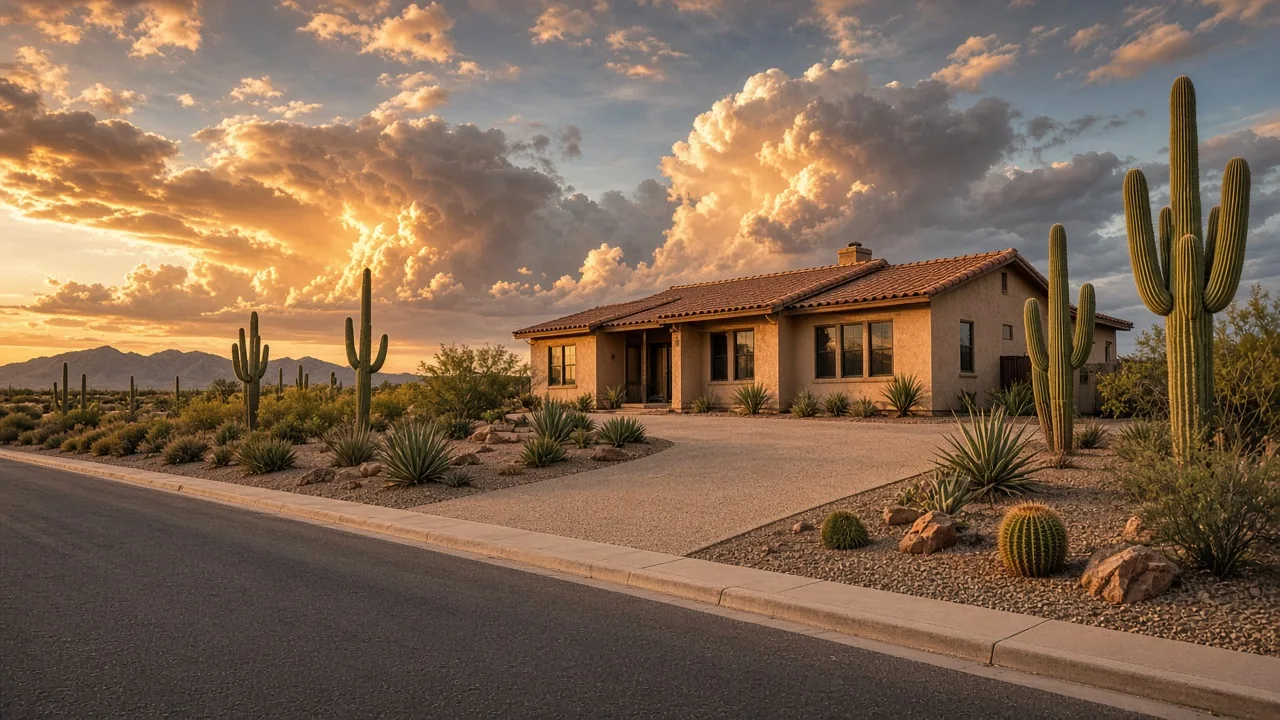
The Valley's central city, home to Arcadia, the Biltmore area, and North Central Phoenix, with established homes, mid-century ranches, and resort-style residences.
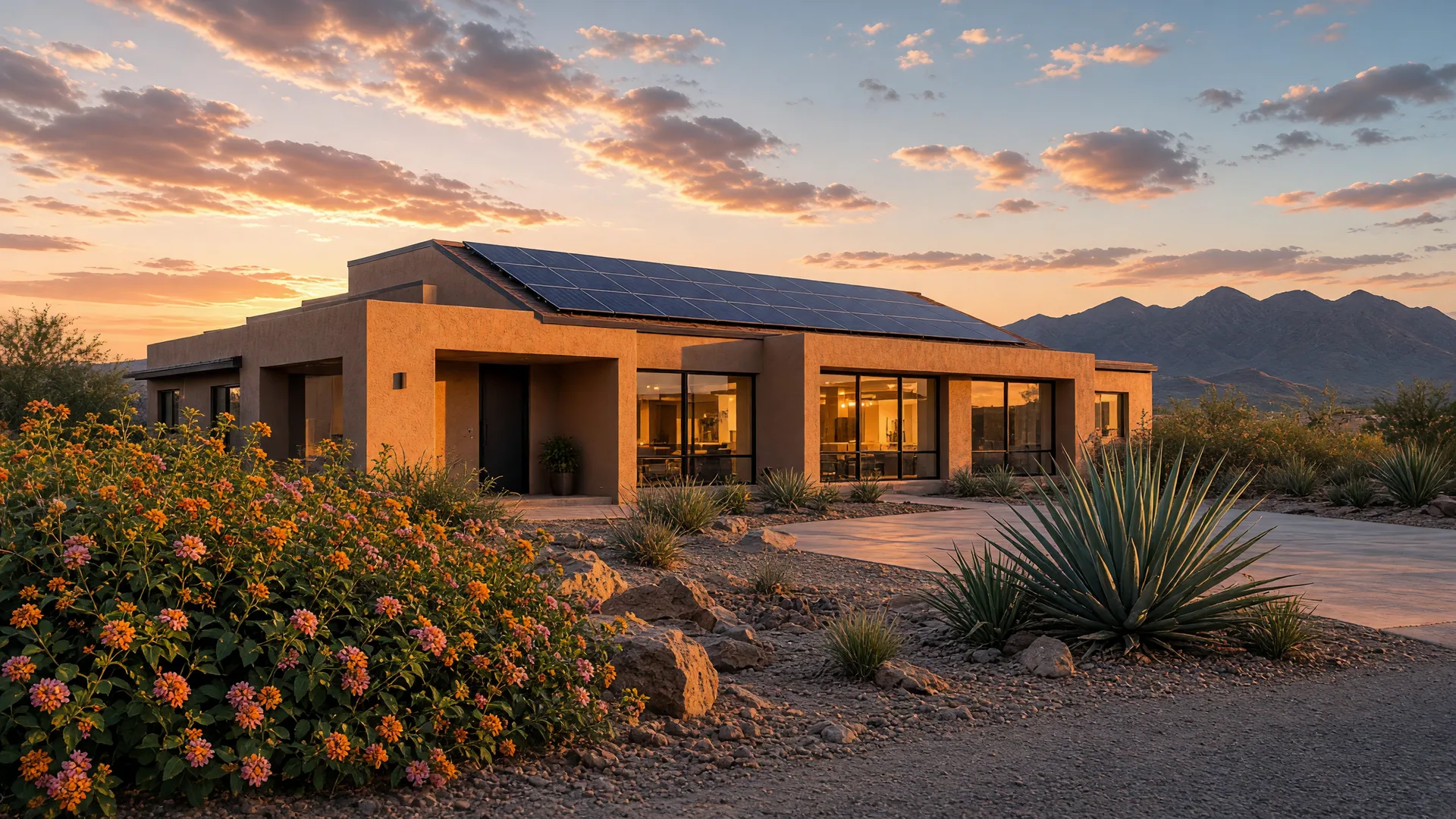
Electricity is the hidden variable in a Phoenix home. Peak summer bills commonly land between $400 and $500 a month for a typical 2,000 square foot home, and the federal solar tax credit that shaped most rooftop decisions for a decade ended at the close of 2025. Here is how to read a home's real energy costs before you buy.
If you are relocating to the Valley, cooling is the largest hidden cost in a monthly budget, and it is easy to underprice it. In the hottest months, air conditioning drives roughly half to two-thirds of a typical household's electric bill. Peak summer bills for a standard 2,000 square foot home commonly land between $400 and $500 a month, while the same home settles down to roughly $50 to $150 in the winter.
That swing matters for one reason: it is not spread evenly across the year, and it is not the same on every side of town. Which utility serves a home, and how that utility's rate plan is structured, shapes what you actually pay.
Phoenix is served mainly by two utilities. SRP covers parts of the city and the East Valley, and APS is Arizona's largest utility. Their average residential rates are not the same.
SRP's average residential price was about 13.98 cents per kilowatt-hour in 2025, and its board approved a 2.4 percent increase effective with the November 2025 billing cycle, its first base price change since 2019. APS reported a full-service residential average around 17.0 cents per kilowatt-hour in 2025.
Many Phoenix plans are time-of-use plans, which charge far more for electricity on hot weekday afternoons and evenings. On an APS-style plan, drawing power in the 4 to 7 pm window can cost about three times what it costs off peak.
That means homeowners who can shift big appliances, charge an electric car overnight, or pre-cool a house before the afternoon have real control over their bills. It also means a home's insulation, window quality, and shade matter as much as the price per kilowatt-hour.
The short answer is that for the right home, owned solar can still cut a bill meaningfully, but the math changed at the end of 2025. For years, a federal 30 percent residential solar tax credit helped new systems pay for themselves faster. Under federal legislation passed in 2025, that credit ended for systems placed in service after December 31, 2025.
What that means in practical terms: a system fully installed by the end of 2025 still qualifies for the 30 percent credit, but a system put in service in 2026 does not. That removes one of the larger incentives that drove payback, so anyone weighing a new install in late 2026 should run the numbers with current rates and talk to a tax or solar professional rather than assume yesterday's savings still apply.
The result for buyers is that the best value now is usually a home that already has an owned system in place, not a speculative new install. A typical owned 8 kilowatt system has historically saved on the order of $1,800 to $2,800 a year, and owners who pair panels with battery storage can reduce their bills most dramatically of all.
Whether panels are owned or leased changes both the savings and the resale value, and this is where many buyers get tripped up. An owned system in Arizona typically adds roughly 3 to 4 percent to a home's value, which on today's median Valley home is often in the low five figures. A leased system adds little to the appraised value, because the new owner is taking over a payment rather than buying the equipment.
If you are considering a home with a leased system, ask to see the lease terms and the monthly cost before you make an offer. The seller may be happy with the panels, but you are the one who will carry the contract in the years ahead.
The most valuable energy questions on a tour are about the envelope, not the appliances. Ask how old the air conditioner is and its seasonal efficiency rating, whether the windows are dual pane, how much insulation is in the attic, and whether the roof has good southern exposure if solar matters to you.
New construction homes in the Valley often build this efficiency in as standard, which is one more reason new construction can compare well against an older resale beyond the price tag. A home that needs a new cooling system in the near term carries a cost that is not always visible on the surface. My buying guide walks through how to weigh resale against new construction, including the efficiency differences.
Once you add cooling, insurance, and property taxes to a mortgage payment, the small differences between two homes become a real difference in household budget. An older home with an aging system and afternoon sun can cost hundreds more a month to run than a newer, well-insulated one on the same block.
That is why I encourage buyers to look at the full cost of ownership rather than the purchase price alone. The affordability thinking in this piece and this look at homeowners insurance both feed into the same monthly picture.
A home's true energy cost is knowable before you commit. I build it into every consultation, whether you are comparing an older resale with owned solar, a new build with high-efficiency standard features, or a Scottsdale or North Phoenix home that fits your commute .
If you are relocating to Phoenix and want to know what a home will really cost to run before you make an offer, let's talk. I will help you compare the options against your budget, your commute, and the life you are building here.
Schedule a consultation

Phoenix Semiconductor Relocation Realtor, eXp Realty · A.I. Certified Agent™
18 years helping buyers and sellers across Phoenix, North Phoenix, Peoria, Anthem, Scottsdale, Paradise Valley, Chandler, Tempe, and Glendale.
More about DianaWhat Clients Say
“Since moving to Arizona in 1982, I've purchased and sold eight homes and was never fully satisfied with past realtors until working with Diana Ramirez. From detailed staging to strategic marketing, her effort and attention to detail were exceptional. She explained every decision, which built confidence and trust. Because of her work, we received multiple offers and sold for over 20% above comparable homes. Diana also helped us successfully purchase our next home and later sell another property for top dollar. Multiple members of our family have worked with her, and she is the only agent we would ever consider.”
“We couldn't have asked for a better realtor to help us purchase our first home than Diana Ramirez. My wife and I are incredibly grateful for her guidance throughout the entire process. Diana is someone we trust completely, and she went above and beyond to make sure we felt confident and supported every step of the way. Her dedication, clear communication, and attention to detail truly set her apart. She was always available, never pushy, and genuinely had our best interests in mind. We highly recommend Diana to anyone looking for a knowledgeable, trustworthy, and caring realtor.”
“Working with Diana Ramirez was truly a blessing for our family. She helped us navigate both the sale of our home and the purchase of a new one, and her guidance made the entire process smooth and stress-free. She was always available, responded quickly, explained everything clearly, and advocated for us every step of the way. She was very patient with us and our children and showed us multiple homes before we bought a home. Her knowledge of the market and ability to handle both buyers and sellers with care and professionalism gave us complete confidence. We couldn't have asked for a better experience and would absolutely recommend her to anyone looking to buy or sell a home.”
Areas I Serve
The Valley's central city, home to Arcadia, the Biltmore area, and North Central Phoenix, with established homes, mid-century ranches, and resort-style residences.
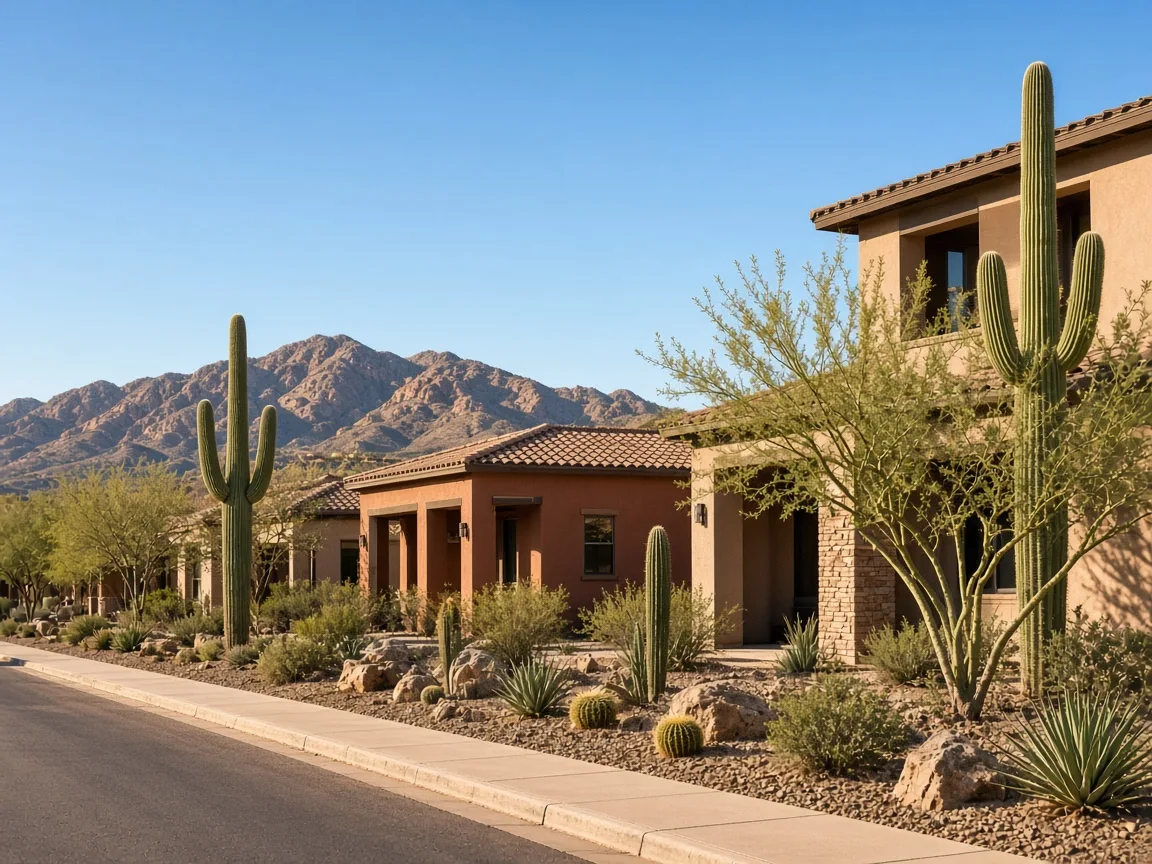
Home to the TSMC fab campus near 43rd Avenue and Dove Valley Road, with newer master plans, quick freeway access, and homes from first-time to executive style.
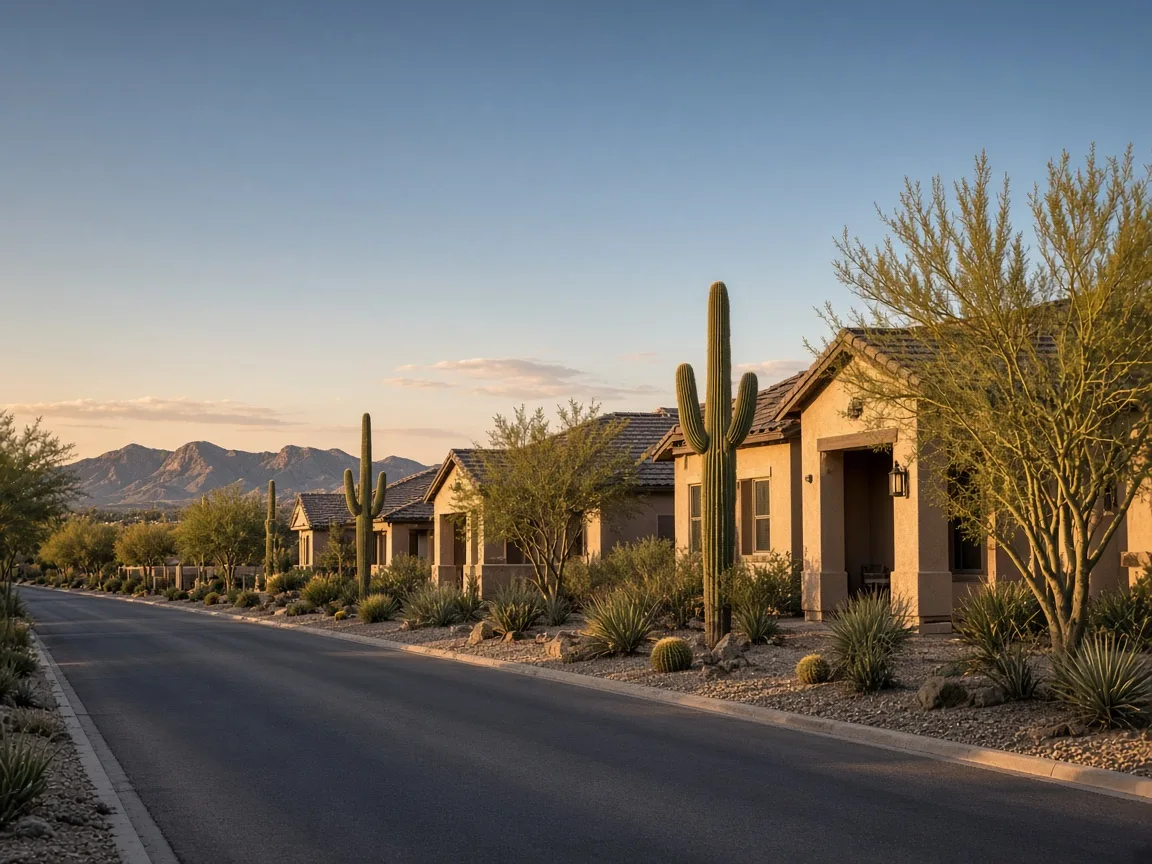
The Valley's northwest, mixing long-established neighborhoods with the newest master plans, with the north end of the city sitting close to the semiconductor corridor.
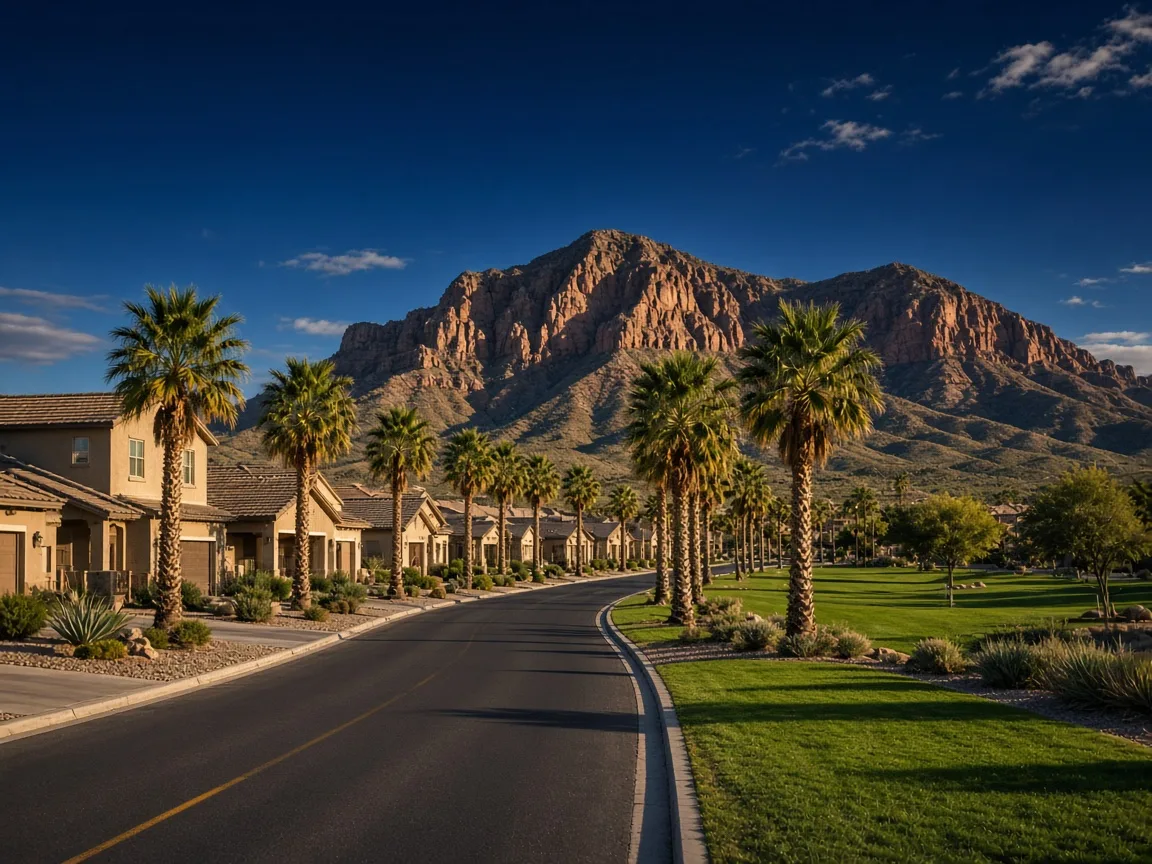
A master plan at the base of Daisy Mountain, with golf courses, parks, pools, and miles of trails, about 10 to 15 minutes from the campus.
Work With Me
Whether you are buying or selling, the first step is a simple, no-pressure conversation.
(480) 771-7700
No pressure, no obligation.
Diana Ramirez Real Estate
Download Diana's free guide to moving to Phoenix, neighborhoods, commutes, and what every buyer should know before they start.
Early access to new homes and monthly market updates are on their way. Warmly, Diana.