
Phoenix
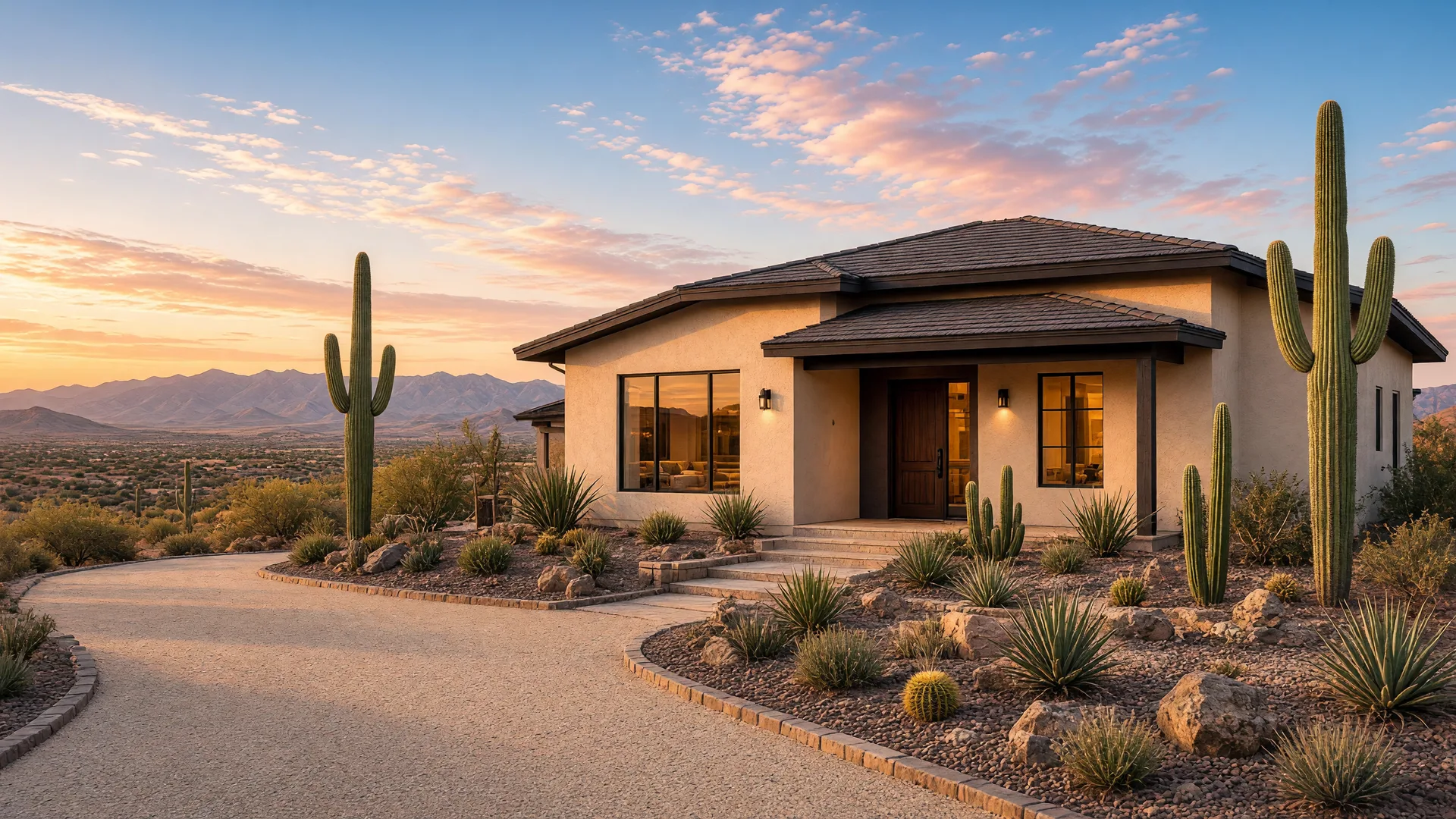
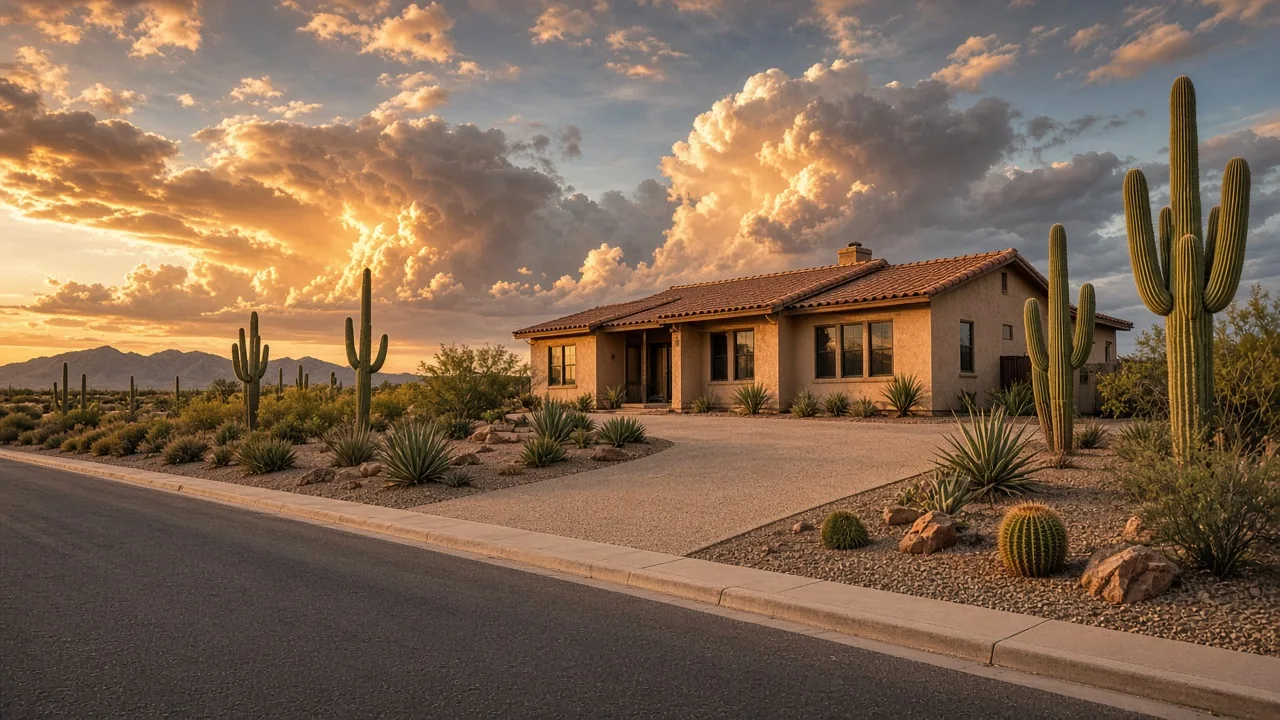
The Valley's central city, home to Arcadia, the Biltmore area, and North Central Phoenix, with established homes, mid-century ranches, and resort-style residences.
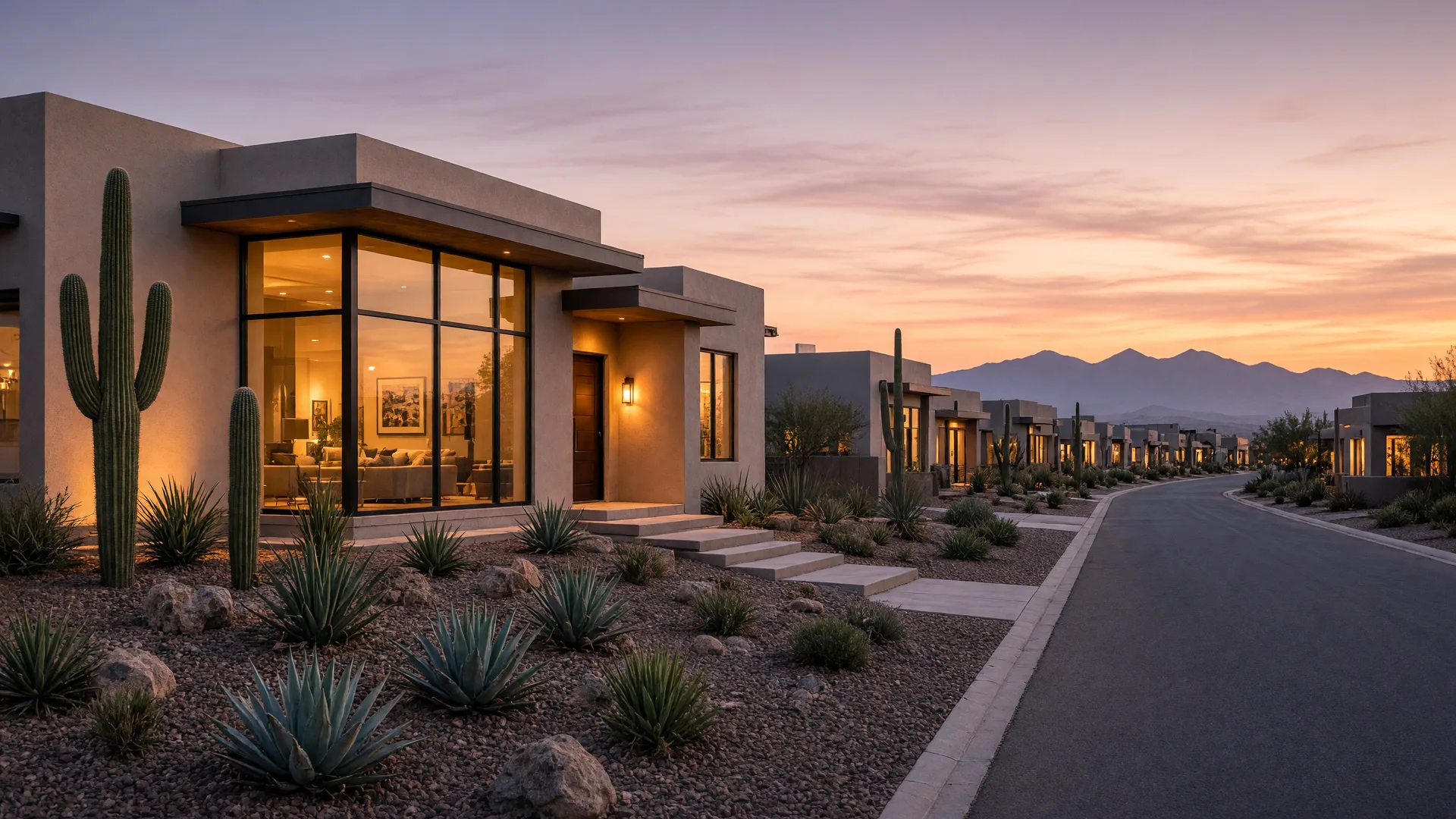
Most Phoenix homeowners pay well under one percent of their home's value in property taxes each year, and most of Maricopa County lands between 0.4 and 0.6 percent. Here is how Arizona's two-value system works, why buying a home does not reset the bill, and what relocating buyers should know about new construction.
Less than most buyers expect, especially if you are moving from a high-tax state. Across Maricopa County, commonly cited figures put the effective rate, the tax bill as a share of home value, near 0.4 to 0.6 percent. Phoenix-specific estimates tend to land around 0.5 to 0.8 percent depending on the neighborhood and the school district. On a $500,000 home, that often works out to roughly $2,500 to $4,000 a year, collected monthly through your mortgage escrow.
Arizona is also one of the states with no statewide residential property tax. Your bill is built from local levies only: your county, your city, your school district, community college district, and any special districts. State law also caps total primary residential taxes at one percent of the home's limited value, an unusually strong ceiling. For price context before we dig into the math, my current Phoenix market snapshot shows where metro values sit right now.
Arizona runs a two-value system, and it confuses almost everyone the first time. The full cash value is the assessor's estimate of market value. The limited property value is the figure your taxes are actually calculated from, and state law limits how fast it can rise. For an established home, the limited value grows at most five percent a year, and it can never exceed full cash value.
Owner-occupied homes are assessed at 10 percent of that limited value. So a home with a $450,000 limited value produces $45,000 of assessed value. Local governments then apply their tax rates, expressed in dollars per $100 of assessed value. Maricopa County's own primary rate for 2026 is $1.1463 per $100 , down slightly from 2025, though that is only the county's portion. Your city, school district, and special districts set their own rates on the same assessed value, which is why the full bill varies by address.
Here is the part that surprises many relocating buyers: in Arizona, a sale does not automatically reset your property tax bill to your purchase price the way it does in some other states. California reassesses on sale. Arizona does not. The limited value carries over to the new owner under its five percent growth cap, even when you pay a price well above the old bill's basis.
That can work in your favor on an established home, because a long-held house may carry a limited value noticeably below current market value, and the bill keeps rising gradually. It also means two homes on the same street can sell for similar prices yet carry different tax bills. So do not assume the bill equals your price; ask for the seller's most recent notice or look the parcel up yourself. If you are coordinating all of this from another state, my out-of-state buying guide walks through the full remote purchase sequence.
New construction follows a different rule, and it matters if you are buying from a builder. A newly completed home is valued under the new construction rule, which sets the limited value at full cash value, typically very close to your finished purchase price. That means the first bill on a brand-new home can look noticeably higher than the bill on an older resale next door, because the resale's limited value has been climbing at the five percent cap for years.
The encouraging part is that the five percent cap applies to your new home starting the following tax year, so the fast growth stops. When you compare a builder home with a resale, the property tax line is one of the quiet differences in your monthly cost. My article on what builders don't always explain covers the other differences, and the builder incentives comparison shows how to weigh the financing side fairly.
Even once you understand the mechanics, taxes vary a lot around the Valley because the rates vary. A home in Scottsdale, a home in Chandler, and a home in North Phoenix are served by different cities and school districts, each setting its own rate per $100 of assessed value. Voter-approved bond and override measures add secondary levies that differ from community to community.
State law keeps the growth reasonable. Primary levies can rise only about two percent a year plus new construction, and districts that want more must hold Truth in Taxation hearings in the open. That predictability is a genuine advantage for long-term budget planning. If you are weighing communities, it is worth comparing school district rates before you choose, and the cost of living in Scottsdale guide shows how much budgets vary by area.
A simple way to estimate is the effective rate: roughly 0.4 to 0.6 percent of value across most of Maricopa County. On a $500,000 home, that is about $200 to $300 a month, and lenders usually collect it through escrow alongside your homeowners insurance . Many relocating buyers find that taxes plus insurance in Phoenix run well below what they paid in their previous state.
Property tax is one line in the full picture. My down payment guide covers the upfront side, and the insurance article above rounds out the recurring costs. Treat any figure here, including mine, as a starting point; your exact bill will depend on your parcel, your city, and your school district.
I have helped many first-time and relocating buyers build a realistic cost picture, and the property tax line is usually simpler than people expect once it is explained. Whether you are buying new construction near the North Phoenix semiconductor corridor, a resale in Peoria or Anthem, or a home in Scottsdale, the first step is a straightforward conversation about your budget and your priorities.
If you would like help comparing communities, estimating real monthly costs, or making sense of a builder's offer, I would be glad to put the numbers side by side with you.
Talk to Diana about your Phoenix move

Phoenix Semiconductor Relocation Realtor, eXp Realty · A.I. Certified Agent™
18 years helping buyers and sellers across Phoenix, North Phoenix, Peoria, Anthem, Scottsdale, Paradise Valley, Chandler, Tempe, and Glendale.
More about DianaWhat Clients Say
“Since moving to Arizona in 1982, I've purchased and sold eight homes and was never fully satisfied with past realtors until working with Diana Ramirez. From detailed staging to strategic marketing, her effort and attention to detail were exceptional. She explained every decision, which built confidence and trust. Because of her work, we received multiple offers and sold for over 20% above comparable homes. Diana also helped us successfully purchase our next home and later sell another property for top dollar. Multiple members of our family have worked with her, and she is the only agent we would ever consider.”
“We couldn't have asked for a better realtor to help us purchase our first home than Diana Ramirez. My wife and I are incredibly grateful for her guidance throughout the entire process. Diana is someone we trust completely, and she went above and beyond to make sure we felt confident and supported every step of the way. Her dedication, clear communication, and attention to detail truly set her apart. She was always available, never pushy, and genuinely had our best interests in mind. We highly recommend Diana to anyone looking for a knowledgeable, trustworthy, and caring realtor.”
“Working with Diana Ramirez was truly a blessing for our family. She helped us navigate both the sale of our home and the purchase of a new one, and her guidance made the entire process smooth and stress-free. She was always available, responded quickly, explained everything clearly, and advocated for us every step of the way. She was very patient with us and our children and showed us multiple homes before we bought a home. Her knowledge of the market and ability to handle both buyers and sellers with care and professionalism gave us complete confidence. We couldn't have asked for a better experience and would absolutely recommend her to anyone looking to buy or sell a home.”
Areas I Serve
The Valley's central city, home to Arcadia, the Biltmore area, and North Central Phoenix, with established homes, mid-century ranches, and resort-style residences.
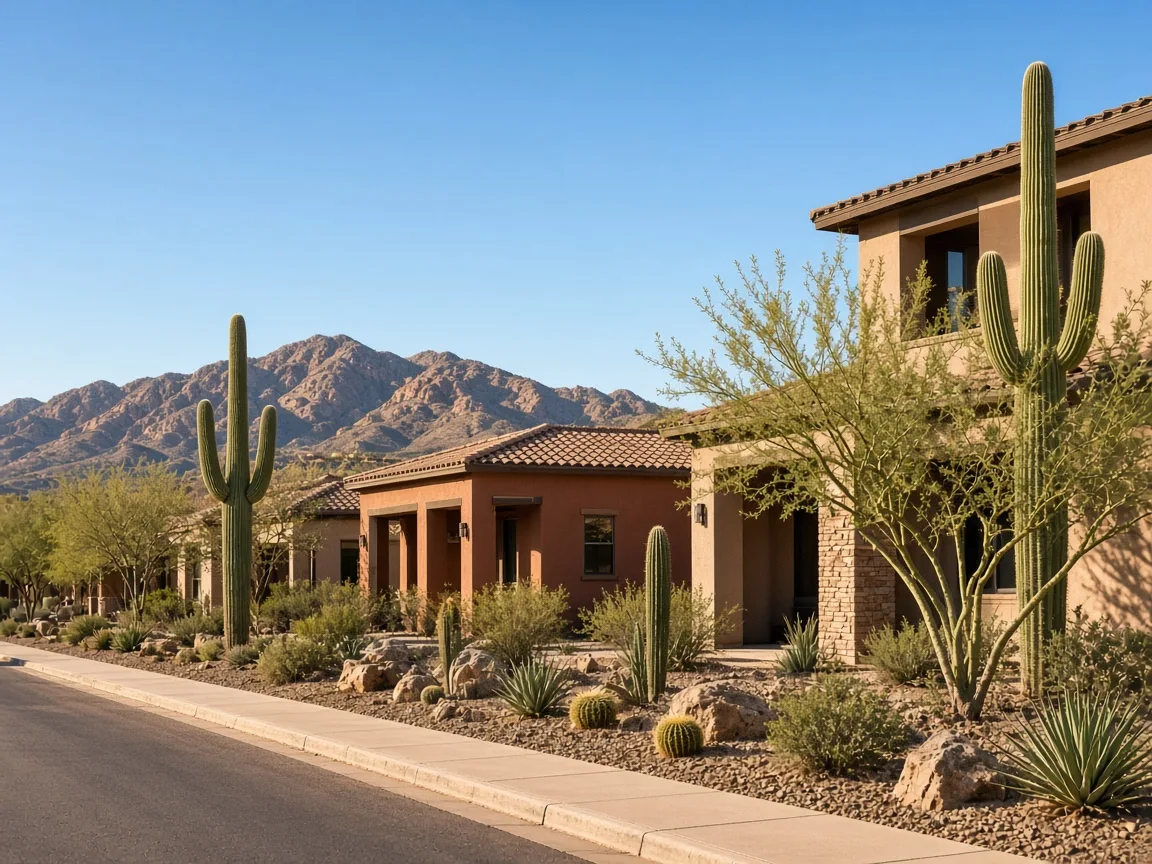
Home to the TSMC fab campus near 43rd Avenue and Dove Valley Road, with newer master plans, quick freeway access, and homes from first-time to executive style.
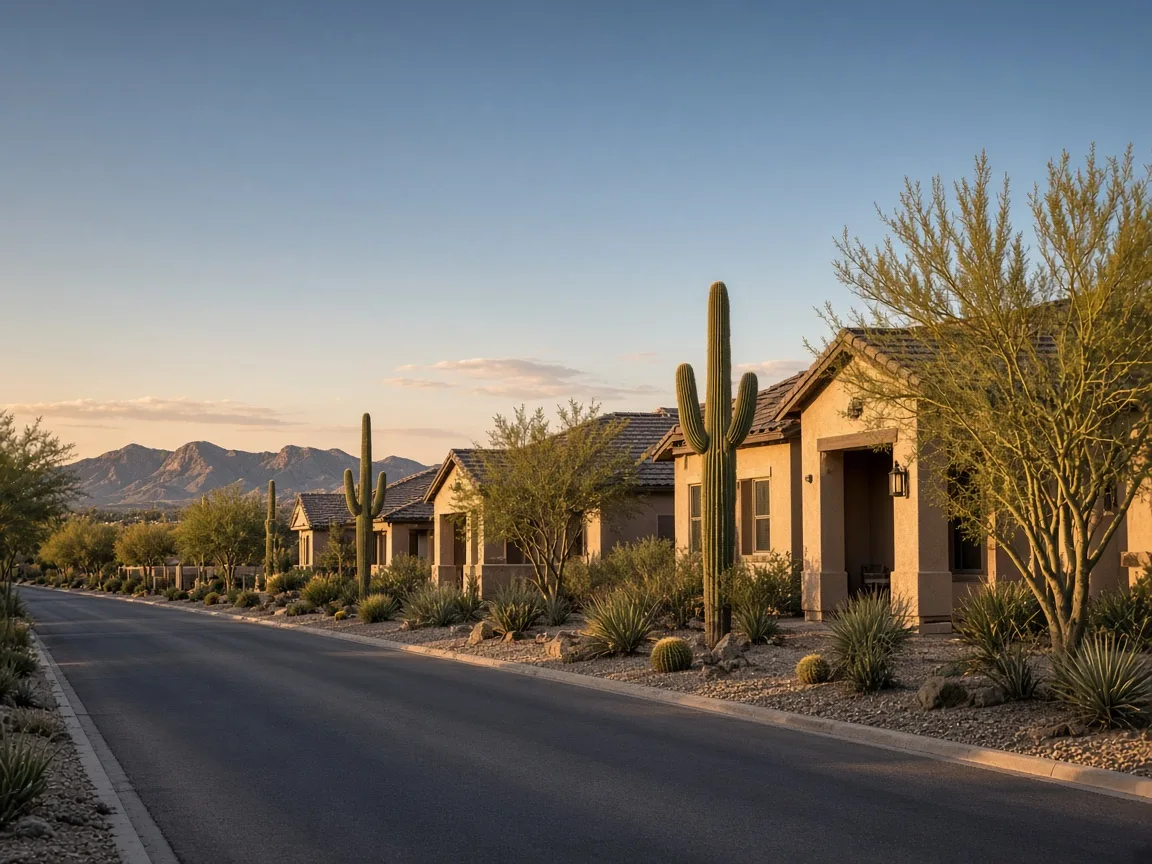
The Valley's northwest, mixing long-established neighborhoods with the newest master plans, with the north end of the city sitting close to the semiconductor corridor.
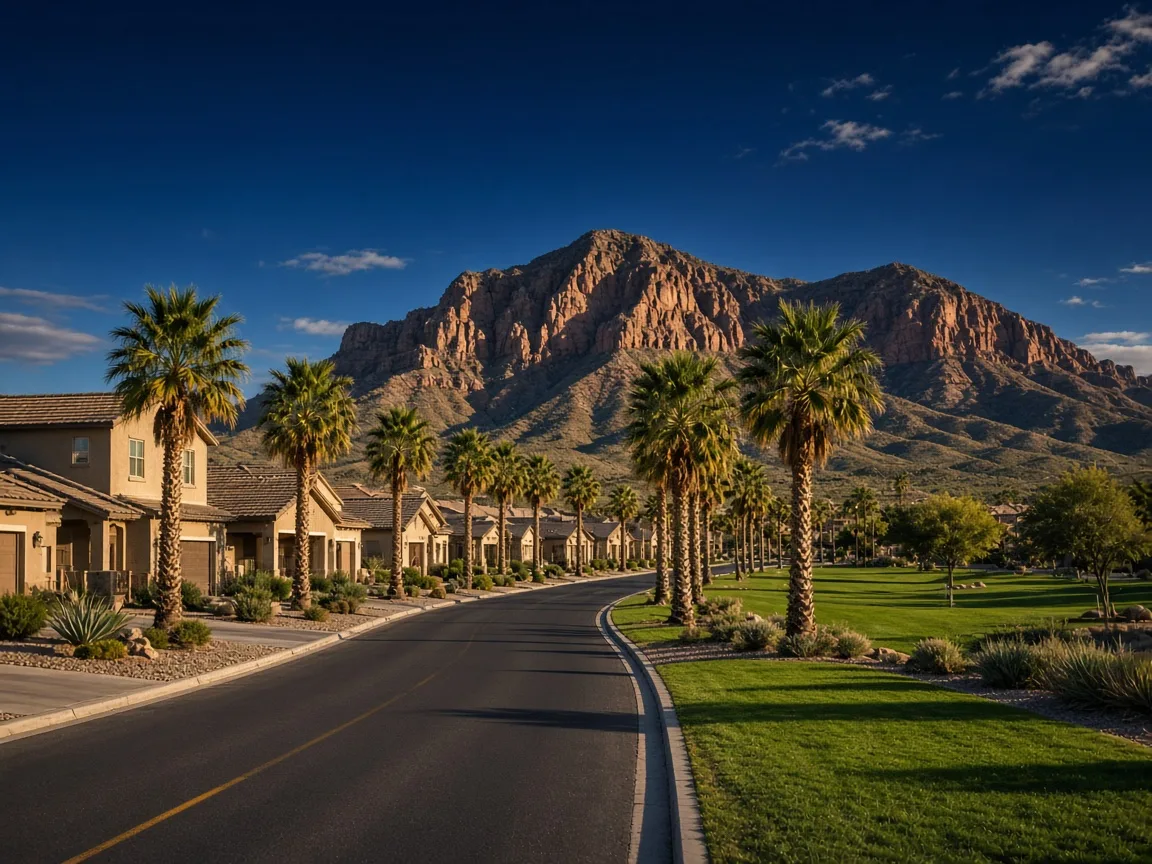
A master plan at the base of Daisy Mountain, with golf courses, parks, pools, and miles of trails, about 10 to 15 minutes from the campus.
Work With Me
Whether you are buying or selling, the first step is a simple, no-pressure conversation.
(480) 771-7700
No pressure, no obligation.
Diana Ramirez Real Estate
Download Diana's free guide to moving to Phoenix, neighborhoods, commutes, and what every buyer should know before they start.
Early access to new homes and monthly market updates are on their way. Warmly, Diana.